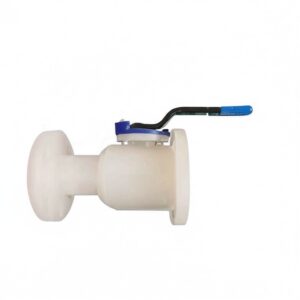
TL;DR: Valve packing seals around a valve stem. Most “packing leaks” are caused by wrong packing material, incorrect installation, or over-tightening. The fix is to match packing to the chemical/temperature, install rings correctly, then adjust gland load gradually.
Valve packing is one of the most common leak points in real plants because it’s a wear item. In chemical service, packing can also be a compatibility problem—not just a maintenance problem. This guide explains packing types, how to install packing correctly, and when you should repack versus replace the valve.
What valve packing is (and what it does)
Packing is a set of rings (or a molded set) compressed in the stuffing box around the stem. It creates a controlled seal that still allows stem movement.
Common valve packing types (high-level)
- PTFE packing: low friction, good chemical resistance in many services; verify temperature and permeation behavior.
- Graphite packing: handles higher temperatures; chemical suitability depends on media and design.
- Aramid / fiber blends: used for some abrasive services; verify chemical compatibility carefully.
In plastics and chemical-duty valves, seats and seals can matter as much as packing.
Related: Seal, Seat, and O-Ring Materials for PVDF Valves.
Installation steps (packing that seals without damaging the stem)
- Confirm the correct packing: match chemical, concentration, and temperature.
- Inspect the stem and stuffing box: scratches, corrosion, or buildup will defeat new packing.
- Install rings correctly: cut rings to fit (if applicable) and stagger joints (don’t line up seams).
- Seat packing gradually: snug gland evenly, cycle the stem, then re-snug in small increments.
- Avoid over-tightening: too much gland load increases torque and wears the stem/packing faster.
Re-pack vs replace: the practical decision
Re-pack when
- Leak is limited to stem/packing area.
- Stem surface is in good condition.
- Valve is otherwise mechanically sound and compatible with the service.
Replace (or rebuild) when
- Stem is scored, pitted, or chemically attacked.
- Seat leakage is also present (won’t isolate).
- Packing leak returns quickly after correct repack (root cause is compatibility or stem damage).
- Downtime risk is high and the valve design is not service-friendly.
Common mistakes (and how to avoid them)
- Over-tightening to stop a leak: fixes symptoms but accelerates failure.
Better: correct packing material + correct installation + gradual adjustment. - Ignoring chemical compatibility: packing survives in water but fails in solvents/oxidizers.
Better: evaluate packing and all soft parts against the real chemical environment. - Skipping inspection: new packing won’t seal a damaged stem.
Better: confirm stem condition and alignment.
Related engineering resources
- Valve Packing Leak: Troubleshooting and Repair Steps
- Valve Safety: Failure Modes and Leak Prevention
- Describe your chemical, temperature, and leak location
Frequently Asked Questions
If the packing is worn, chemically attacked, installed incorrectly, or the stem is damaged, tightening only helps temporarily. It can also increase friction and wear. Correct packing selection and installation usually fix recurring leaks.
Tight enough to control leakage while still allowing smooth stem movement. Over-tightening increases torque and accelerates wear. Adjust in small, even increments and re-check after cycling the valve.
Yes. In chemical service, soft parts (packing, seats, O-rings, diaphragms) often fail before the body. Always evaluate the full wetted bill of materials against chemical, concentration, and temperature.