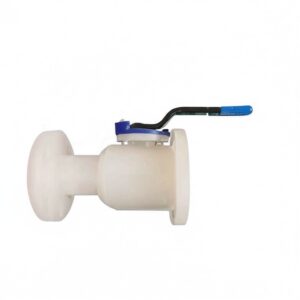
TL;DR: Most “valve packing leaks” are stem-seal leaks, not seat leaks. First confirm the leak location, then tighten the gland in small, even increments. If the leak persists, plan a repack with the right material. Repeated tightening beyond limits usually makes the failure worse.
A valve packing leak is one of the most common maintenance problems in process plants. The good news: it’s often fixable without replacing the valve. The bad news: the most common “fix” (cranking down the gland) can damage the stem, increase torque, and shorten life. Use this guide to troubleshoot safely and choose the right repair path—especially in chemical service.
Step 1: Confirm the leak is actually packing
- Packing leak: wetness/weeping at the stem area or stuffing box.
- Seat leak: valve won’t isolate; downstream pressure creeps or flow continues when closed.
- Flange/union leak: seepage at connections, often due to gasket/torque issues.
Step 2: Immediate safety actions (chemical service)
- Identify the chemical and ensure correct PPE.
- Minimize exposure: control spray or dripping; avoid placing hands/face in the leak path.
- If consequences are high, isolate and depressurize per your procedure before adjustment.
Related: Valve Safety: Failure Modes and Leak Prevention.
Step 3: Tightening limits (how to adjust without causing damage)
Safe adjustment approach
- Tighten evenly (alternate nuts) in small increments.
- Cycle the valve (if safe) and re-check for leakage.
- Stop if torque rises sharply or stem movement becomes rough.
When tightening is the wrong move
- Leak persists after small, even adjustments.
- Valve becomes hard to operate.
- Leak returns quickly (compatibility or packing wear is the real cause).
Step 4: Diagnose the root cause
- Normal wear: packing has compressed and needs minor adjustment or replacement.
- Wrong packing material: chemical attack, swelling, embrittlement, or high permeation.
- Stem damage: scratches, pitting, corrosion, or deposits defeat sealing.
- Misalignment/vibration: side loading increases wear and leakage.
Compatibility reminder: the body may be fine while the packing fails.
Related: Seal, Seat, and O-Ring Materials for PVDF Valves.
Step 5: Repack procedure (high-level)
- Isolate, depressurize, and drain per procedure.
- Remove old packing carefully; avoid scratching the stem.
- Inspect stem and stuffing box; clean deposits.
- Install new packing rings correctly (stagger joints).
- Seat gradually: snug evenly, cycle, and re-snug in small increments.
When to replace the valve instead
- Stem is significantly damaged or chemically attacked.
- Seat leakage is also present and the valve is not serviceable.
- Repeated repacks fail quickly due to incompatibility with the media.
Related engineering resources
- Valve Packing: Types and Installation
- Valve Corrosion: Warning Signs and Prevention
- Send photos of the leak location for fast triage
Frequently Asked Questions
Not safely. Over-tightening increases stem friction and wear and can score the stem, making leakage worse. Tighten in small, even increments, and if the leak persists, plan a proper repack with compatible material.
Packing leaks appear at the stem/stuffing box. Seat leaks show up as continued flow or downstream pressure rise when the valve is “closed.” The repair path is different.
Chemical attack, swelling, permeation, and temperature effects can degrade packing. The valve body may remain intact while soft parts fail. Always match packing and seals to the chemical, concentration, and temperature.