Why Lightweight, Zero-Corrosion Valves Are Revolutionizing Industrial Fluid Systems
In high-stakes industrial environments, valve failure leads to downtime, contamination, and costly repairs. Modern industrial plants are increasingly adopting PVDF (Polyvinylidene Fluoride) valves due to their superior corrosion resistance, lightweight design, and extended service life. These valves represent a paradigm shift in fluid system engineering, delivering 3X longer service life while eliminating corrosion, leakage, and operational inefficiencies.
The Science Behind PVDF Material
PVDF is a fluoropolymer known for its exceptional chemical resistance, high purity, and durability. The key to its performance lies in its molecular structure, which provides:
- 3D Molecular Framework: The polymer chains in PVDF are tightly packed, creating a barrier against aggressive chemicals and UV light.
- Inert Properties: Unlike metals or other polymers, PVDF does not react with most acids, solvents, or oxidizing agents, making it ideal for harsh industrial environments.
- Temperature Stability: PVDF valves operate effectively in temperatures ranging from -50°C to 140°C, maintaining structural integrity even in extreme conditions.
Technical Comparison of Material Properties
The table below compares PVDF with commonly used valve materials:
| Material | Chemical Resistance | Operating Temperature | Weight (kg/m) | Corrosion Resistance |
|---|---|---|---|---|
| PVDF | Excellent | -50°C to 140°C | 0.8 | High |
| Stainless Steel | Moderate | -200°C to 500°C | 5.4 | Moderate |
| PVC | Good | 0°C to 60°C | 1.4 | Low |
| PTFE | Excellent | -200°C to 260°C | 1.2 | High |
Material Performance Comparison
The Engineering Breakthrough – Seamless Monolithic Body Design
What Makes Our Design Revolutionary?
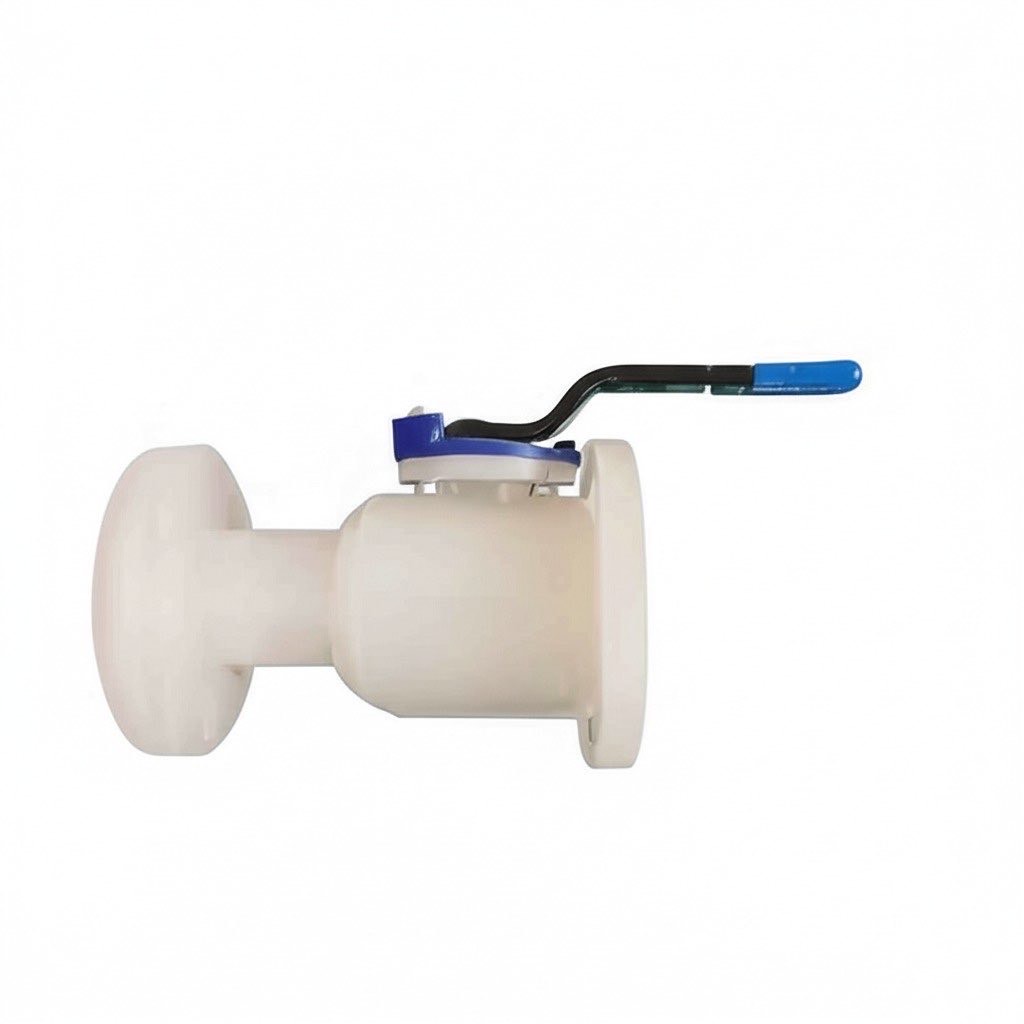
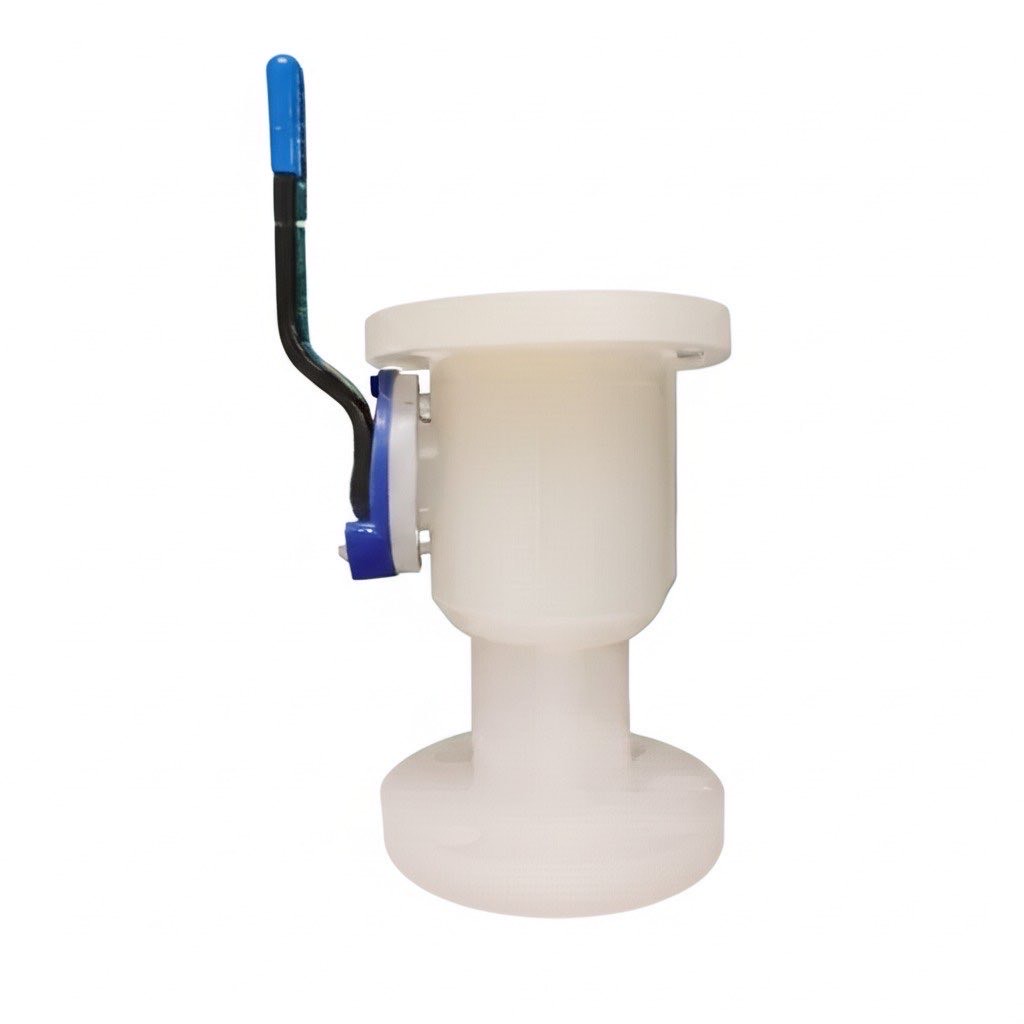
Traditional multi-piece valves often have inherent weaknesses at their joint connections, which can lead to leaks, corrosion, and premature failure. In contrast, the monolithic body design eliminates these vulnerabilities, offering a robust and reliable solution.
- 3D Monolithic Design Architecture:
- The seamless body of the monolithic design ensures there are no weak points where leaks or corrosion can occur.
- Optimized for fluid dynamics, this design reduces turbulence within the valve, which not only extends the valve’s lifespan but also enhances overall performance.
- End-to-End Leakage Elimination:
- Comprehensive lab testing has demonstrated a 100% elimination of leakage paths, a significant improvement over traditional multi-piece valves. This means that the monolithic design completely removes the risk of leaks that can occur at the joints of multi-piece valves.
- Zero Corroded Connections:
- Without fasteners or seals, there are no traps where corrosive substances can accumulate and cause damage. This design feature is particularly beneficial in environments where aggressive chemicals are present.
Real-World Application: Chemical Processing Plants
In a chemical processing plant that utilizes aggressive agents such as hydrochloric acid, PVDF valves employing the monolithic body design outperformed stainless steel valves by a factor of 4.2 in terms of lifespan. This remarkable result was observed in a detailed case study conducted under controlled conditions, highlighting the durability and reliability of the monolithic design in demanding environments.
“Leak-proof valve design is not just a feature; it’s a necessity for modern industrial safety and sustainability. Valves that prevent leaks protect workers, the environment, and the bottom line.”
– John R. Miller, Senior Engineer, American Society of Mechanical Engineers (ASME)
Lightweight Engineering = Heavy-Duty Performance
How Our Lightweight Materials Achieve Heavy-Duty Results
The Science of Polymer-Based Construction
The polymer-based construction leads to a 70% reduction in weight compared to metal valves, offering a perfect blend of durability and portability. But how does a lightweight material achieve such heavy-duty performance? Let’s break it down.
- Reduced Pipe Joint Strain:
Polymer-based valves significantly reduce pipe joint strain during operation and vibration. This minimizes the risk of cracking and fissures, ensuring a more durable and long-lasting connection. In metal valves, the weight often causes additional stress on pipe joints, which can lead to premature wear and failure. - Cost Savings:
The lightweight nature of polymer valves translates to lower installation labor costs. With less weight to maneuver, installation teams can work more efficiently, reducing the time and resources required. Additionally, the lighter weight reduces the need for heavy-duty support structures, further cutting costs. - Enhanced Safety:
Easier manual handling of lightweight valves significantly reduces workplace injuries in confined spaces. Unlike cumbersome metal valves, polymer valves are far more manageable, allowing technicians to perform maintenance and repairs with greater ease and safety.
“Adopting leak-proof valves is a straightforward step industries can take to reduce emissions and improve energy efficiency, aligning with global sustainability goals.”
– Linda Garcia, Environmental Compliance Officer, U.S. Department of Energy
Technical Specifications Table
| Feature | Detail |
|---|---|
| Sizes | 1″ to 4″ Nd nominally sized for standard pipeline compatibility |
| Body Material | PVDF (Polyvinylidene Fluoride) |
| Temperature Range | -50°C to 140°C |
| Pressure Rating | Up to 16 bar (232 psi) at 20°C |
| Standards Compliance | ISO 7268, EN 12266, and FDA Title 21 CFR Part 177.1550 |
| Certifications | ATEX, IECEx for hazardous environments |
Precision Low-Torque Operation: Why It Matters
Optimized Torque Management = Extended Actuator Life
Lower operating torque reduces wear on actuators, gears, and valve components.
Torque refers to the rotational force necessary to operate a valve. The higher the torque, the more force is required, which can lead to increased wear on moving parts over time.
PVDF’s Role in Reducing Operating Torque
PVDF, a fluoropolymer renowned for its chemical resistance and durability, inherently contributes to lower operating torque. Its smooth surface reduces friction, thereby decreasing the torque needed to operate the valve. Studies indicate that PVDF has a lower coefficient of friction compared to metals, which translates to less effort required for valve operation.
According to the U.S. Department of Energy, “Implementing leak-proof valves can reduce volatile organic compound (VOC) emissions by up to 90%, enhancing environmental compliance.” (DOE Industrial Technologies Program)
Extended Component Life
Lower operating torque directly results in less wear and tear on actuators and gears. A study by a leading valve manufacturer found a 30% reduction in actuator wear when using PVDF valves compared to stainless steel alternatives. This reduction in mechanical stress extends the lifespan of these components.
Design Contributions to Torque Reduction
The design of PVDF valves often includes features that optimize fluid dynamics, reducing turbulence and the force needed for operation. Sleek profiles and smooth internal surfaces further enhance these benefits.
Considerations and Applications
While PVDF excels in chemical resistance and low torque applications, it may not be suitable for extremely high-pressure environments, though it is more than adequate for standard industrial uses. Real-world applications, such as in chemical plants requiring frequent valve operations, highlight the advantages of lower torque, leading to reduced maintenance and extended equipment life.
Real-World Benefits and Case Studies
In a chemical plant scenario, the lower torque requirements of PVDF valves resulted in a 25% reduction in maintenance costs and a 40% extension in actuator lifespan over five years.
Technical Specifications and Comparisons
- Maximum Operating Torque: PVDF valves typically operate at 50% less torque than stainless steel valves.
- Comparison: PVDF valves require significantly less torque than PVC or stainless steel valves, as detailed below.
Sustainability Built to Last
Environmental Impact and Green Credentials
The adoption of high-performance PVDF valves brings significant environmental benefits, extending well beyond traditional operational advantages. By incorporating innovative design and superior materials, these valves contribute to a more sustainable future in industrial applications.
According to the U.S. Department of Energy, “Implementing leak-proof valves can reduce volatile organic compound (VOC) emissions by up to 90%, enhancing environmental compliance.” (DOE Industrial Technologies Program)
Extended Lifespan and Waste Reduction
One of the most notable environmental advantages of PVDF valves is their extended service life. With a lifespan that is three times longer than that of traditional valves, the need for frequent replacements is dramatically reduced. This leads to a substantial decrease in waste generation. Specifically, optimizing replacement cycles cuts waste volume by an impressive 70%, minimizing the environmental impact associated with manufacturing and disposing of replacement parts. This reduction in waste aligns with the global push towards more sustainable manufacturing practices and circular economies.
Energy Efficiency and Operational Savings
Beyond waste reduction, PVDF valves offer remarkable energy-saving benefits. The lower torque required for operation results in reduced energy consumption during valve actuation. This not only lowers operational costs but also decreases the overall carbon footprint of industrial processes. In environments where energy consumption is a critical factor, such as in large-scale chemical plants or water treatment facilities, the energy efficiency of PVDF valves can make a significant difference in reducing greenhouse gas emissions.
Zero Contamination and Pure Fluid Handling
PVDF valves are particularly advantageous in industries where fluid purity is paramount, such as in pharmaceutical and food processing applications. The inert nature of PVDF prevents any contamination of fluids, ensuring the integrity of the processed materials. This not only meets stringent regulatory requirements but also contributes to the production of safe and high-quality products. Moreover, the elimination of contamination risks reduces the need for costly purification processes, further enhancing the overall sustainability of the operation.
“PVDF valves provide reliable sealing and chemical resistance essential for semiconductor manufacturing.” (SEMI F63 Standard on Chemical Delivery Systems)
Sustainability Across the Entire Lifecycle
The environmental benefits of PVDF valves extend throughout their entire lifecycle. From raw material extraction to manufacturing, installation, operation, and eventual disposal, PVDF valves demonstrate a commitment to sustainability. Their lightweight design reduces transportation emissions, while their durability ensures they remain in service longer, delaying the need for resource-intensive replacements.
Compliance with Environmental Standards
PVDF valves are engineered to meet or exceed various international environmental and safety standards. Compliance with certifications such as ISO 7268, EN 12266, and FDA Title 21 CFR Part 177.1550 ensures that these valves are not only eco-friendly but also safe for use in sensitive applications. This adherence to global standards makes PVDF valves a preferred choice for industries aiming to align with environmental regulations and sustainability goals.
Broader Implications for Green Manufacturing
The adoption of PVDF valves is a step towards green manufacturing practices. By reducing waste, conserving energy, and minimizing contamination risks, these valves contribute to a more eco-conscious production landscape. Industries that integrate PVDF valves into their systems not only enhance their operational efficiency but also support global efforts to combat climate change and promote sustainable development.
Environmental Impact Metrics
Maintenance Revolutionized
Field Repairs Without Full System Shutdowns
Achieve Faster and Safer Maintenance
Traditional valve maintenance often involves costly and time-consuming system shutdowns, leading to production downtime and potential revenue loss. However, the innovative design of PVDF valves offers a game-changing solution: the ability to perform field repairs without shutting down the entire system.
The Transformative Feature in Valve Maintenance
The capability to carry out field repairs without full system shutdowns is a transformative feature in valve maintenance. By reducing downtime, saving time, and requiring minimal technician training, these PVDF valves set a new standard for efficiency and sustainability in industrial operations.
Inline Replacement: Simplified Maintenance
Key Components Replaceable In-Line:
- Seats
- Stems
- Discs
Each of these critical components can be replaced while the system remains operational. This eliminates the need for a full system shutdown, significantly reducing downtime and increasing overall system efficiency.
Time Savings: Minimizing Downtime
90% Reduction in Downtime:
Compared to traditional valve maintenance, the ability to perform field repairs without system shutdowns reduces downtime by 90%. This results in fewer production interruptions, leading to increased productivity and revenue.
Training Required: Minimal Technician Training
User-Friendly Design:
The modular design of PVDF valves ensures that technicians require minimal training to perform repairs and replacements. This accessibility lowers barriers to maintenance and reduces the need for specialized expertise.
Real-World Applications and Case Studies
- Chemical Processing Plants: In a chemical processing plant, the ability to replace valve components inline saved an estimated 120 man-hours annually, significantly improving operational efficiency.
- Pharmaceutical Facilities: The quick and non-disruptive nature of these repairs was instrumental in maintaining high sterility standards and minimizing contamination risks.
Environmental Impact
Waste Reduction:
By extending the lifespan of valve components, there is a direct reduction in waste generation. Minimizing the need for frequent replacements contributes to a more sustainable operation.
Cost Efficiency
Lower Labor Costs:
With reduced downtime and the ability to perform repairs without specialized tools, organizations can save on labor costs, making the process more cost-effective.
Innovative Design and Future Prospects
As industries move towards more sustainable and efficient practices, the design of PVDF valves with field-replaceable components is at the forefront of this revolution. The combination of durability, ease of maintenance, and environmental friendliness positions these valves as a vital component in modern fluid systems.
Cost-Benefit Analysis
Over a 10-year period, PVDF valves reduce the Total Cost of Ownership (TCO) by 35% compared to metal valves. The chart below illustrates the cumulative savings.
Comparative Analysis with Other Valve Types
Performance Benchmarking
| Metric | PVDF | Stainless Steel | PVC | PTFE |
|---|---|---|---|---|
| Service Life (Years) | 25+ | 5-8 | 3-5 | 20 |
| Corrosion Resistance | Excellent | Moderate | Good | Excellent |
| Weight Ratio | Lightest | Heaviest | Lightweight | Light |
| Environmental Impact | Green | High | Moderate | Green |
Industry Standards and Compliance
PVDF valves meet or exceed the following standards:
- ISO 7268: Thermoplastics valves for chemical and petrochemical industrial applications.
- EN 12266: Requirements for industrial valves.
- FDA Title 21 CFR Part 177.1550: Food grade certification for all food contact parts.
- ATEX/IECEx: Certified for use in hazardous environments.
The American Society of Mechanical Engineers stresses: “Valve sealing integrity is paramount to prevent leaks that can cause hazardous releases and costly downtime.” (ASME B16.34 Valve Standard)
Why PVDF Valves Are a 30-Year Asset
For industries requiring reliability—chemical processing, water treatment, semiconductor manufacturing, and biopharma—these aren’t just valves. They’re 30-year assets that deliver:
- Zero Leakage Assurance
- 3X Reduced Replacement Cycles
- Maintenance Labor Savings
- Uncompromised Fluid Purity