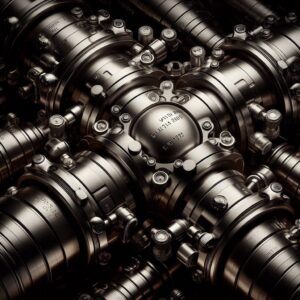
TL;DR: PVDF control valves automate fluid regulation by integrating high-performance actuators with chemically inert valve bodies, ensuring precise flow modulation in systems handling aggressive acids or high-purity liquids.
PVDF control valves regulate fluid flow precisely in industrial applications, leveraging a unique combination of polymer durability and advanced control technology. Understanding how these valves operate is essential for selecting the right valve and ensuring optimal performance in corrosive and demanding environments.
As a leading PVDF valve manufacturer, we specialize in high-precision control solutions that maintain system integrity even in the most aggressive chemical environments. For a comprehensive overview of valve types, see our Ultimate PVDF Valves Guide.
While ball valves can be used for coarse modulation, they are primarily designed for on/off service. For high-precision, linear flow control, a PVDF diaphragm valve or a globe-style control valve with a characterized plug is significantly more effective.
Pneumatic actuators are often preferred in chemical plants because they are inherently explosion-proof and typically offer faster cycle times. They also provide a ‘fail-safe’ (spring return) position more cost-effectively than most electric actuators.
Basic Components of PVDF Control Valves
A typical PVDF control valve consists of a valve body made from polyvinylidene fluoride, an actuator (manual, pneumatic, or electric), a valve stem, and a sealing mechanism. The PVDF body provides chemical resistance, while the actuator drives the valve’s modulating or on/off function.
How Flow Regulation Happens
The working mechanism relies on adjusting the valve opening to control fluid flow rate and pressure. When the actuator moves the valve stem, it changes the position of an internal closure element such as a ball, diaphragm, or plug, effectively increasing or decreasing flow through the pipeline.
Precision Actuation Matrix
Selecting the right actuator is critical for maintaining precise flow control in chemical systems.
| Actuator Type | Precision | Control Type | Relative Cost |
|---|---|---|---|
| Manual | Low | On/Off / Coarse | Low |
| Pneumatic | Medium-High | Modulating | Medium |
| Electric | High | Digital/Modulating | High |
Types of PVDF Control Valves and Their Operation
- Ball Valves: Utilize a rotating ball with a bore that aligns or blocks flow based on the stem’s position, ideal for quick shutoff and modulation.
- Diaphragm Valves: Employ a flexible diaphragm that moves up or down to control flow, enhancing leak-tightness and suitable for slurry or corrosive fluids.
- Butterfly Valves: Feature a disk that rotates within the valve body to regulate flow, offering compact design and quick operation.
Actuation Methods
- Manual Actuators: Require physical operation; suitable for simple on/off control where automation isn’t needed.
- Pneumatic Actuators: Use compressed air for valve movement; common in automated process control due to reliability and speed.
- Electric Actuators: Provide precise control and integration with digital systems, ideal for remote or programmable applications.
Benefits of PVDF Material in Valve Operation
PVDF’s chemical inertness ensures the valve body resists corrosion, preventing leaks and mechanical failures common in metal valves exposed to aggressive chemicals. Its stability at various temperatures maintains sealing integrity, ensuring consistent flow regulation.
Optimizing Control Valve Performance
To get the most out of your PVDF control valves, ensure proper sizing and actuator selection. Misaligned torque or incorrect sizing can lead to premature wear or unstable process control. Learn more about configuration in our PVDF valves guide.
Related Reading
- PVDF Valves Guide: Types, Materials & Applications
- How to Size PVDF Valves
- Unlock 3X Longer Valve Life
- PVDF Valve Knowledge Base
- PVDF Valves Home
,id:433} High-performance precision actuation for chemical environments. Control systems integrated with PVDF bodies.