TL;DR: A sampling valve is designed to take representative process samples safely and repeatably. The most important selection factors are (1) dead-leg minimization, (2) flush/cleaning strategy, (3) operator safety and containment, and (4) material compatibility—including seals. In corrosive service, PVDF bodies can help, but elastomers often determine whether the sample point stays leak-tight.
Sampling seems simple until you have to do it routinely: avoiding contamination, preventing operator exposure, and getting a truly representative sample (not stagnant “pipe wall soup”). This guide focuses on the design and specification details that make sampling valves work in real chemical plants.
Why sampling valves are different from “a small ball valve”
- Dead-leg control: sampling points should minimize stagnant volume.
- Containment: safer discharge geometry and optional hose/barb or closed-loop sample handling.
- Repeatability: consistent purge/flush approach to ensure representative samples.
Dead legs: the hidden sampling error
A dead leg is a stagnant branch volume that doesn’t see normal process flow. Samples taken from dead legs can be unrepresentative (wrong concentration, degraded chemistry, temperature drift). A common design goal is to keep the sample takeoff as short as possible and ensure flow sweeps the sampling point.
Process design references often emphasize that dead legs can distort sampling and create contamination risk depending on service.
Practical sampling workflow (what your valve must support)
1) Purge/flush before you sample
Plan a purge volume and method (to drain, to a closed container, or back to process where permitted). In hazardous chemicals, design for closed sampling where possible.
2) Avoid aerosol and splash exposure
Sampling should be designed around PPE and containment, not “operator skill.” If vapors or exothermic reactions are possible, treat sampling as a safety-critical operation.
3) Plan cleaning cycles
If you’ll flush with hot water, solvents, or cleaning chemicals, that changes seal compatibility and temperature exposure.
Materials: PVDF is useful, seals are decisive
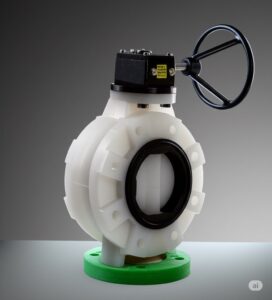
In corrosive service, PVDF can reduce corrosion and contamination risk. But sampling valves often have multiple seals (stem seals, seat seals, O-rings). Specify those materials intentionally.
Installation checklist (copy/paste)
- Process media, concentration, temperature, and any cleaning chemicals
- Sampling method: open draw vs closed-loop/contained sampling
- Dead-leg target and physical takeoff geometry
- Flush volume and disposal plan
- End connections and service access
- Operator safety: splash/vapor containment, PPE assumptions, secondary containment
Related engineering resources
Frequently Asked Questions
Sometimes, but it often creates dead-leg volume and poor containment. Purpose-built sampling valves are designed for representative sampling, safer discharge geometry, and repeatable purge/flush workflows.
Minimize dead legs and plan a purge/flush before sampling so you’re sampling active process fluid, not stagnant branch fluid. The purge method and volume should match your process and safety requirements.
Seal and elastomer incompatibility is a common cause, especially when cleaning chemicals or temperature cycles are involved. Always specify seal materials intentionally rather than assuming the body material covers compatibility.