TL;DR: PVDF butterfly valves are the go-to solution for large-diameter flow control in corrosive environments, offering a lightweight, cost-effective alternative to exotic metal alloys without sacrificing chemical durability.
Polyvinylidene fluoride (PVDF) butterfly valves are essential components in piping systems where corrosion resistance, lightweight construction, and durability are required. These valves offer precise flow control for various industrial applications, including chemical processing, pharmaceuticals, and water treatment.
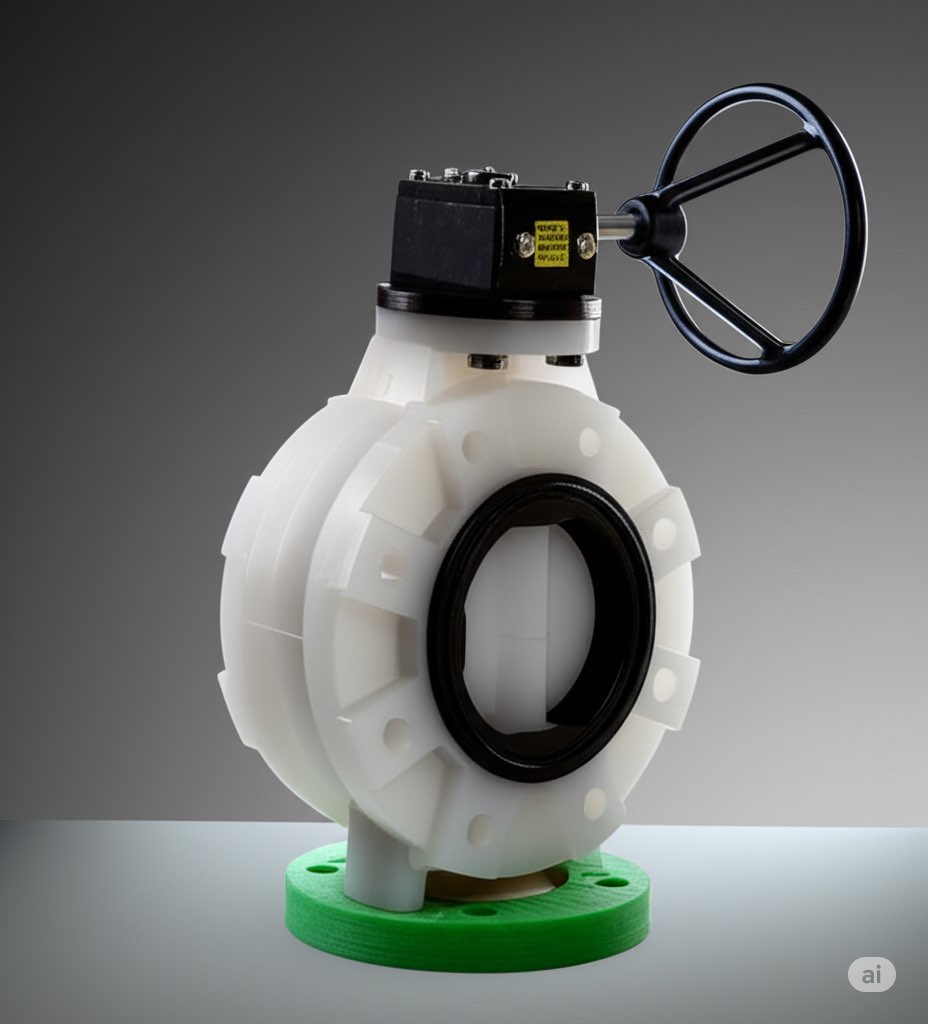
Butterfly valves consist of a circular disc mounted on a rotating shaft. When the valve is open, the disc rotates to allow fluid flow; when closed, it blocks the flow. PVDF butterfly valves uniquely combine the robust chemical resistance of PVDF material with the simple, cost-effective design of butterfly valves. To see how these compare with other options, check our PVDF valves guide.
Wafer vs Lug Style: Comparison Table
Selecting the right body style is critical for safety during maintenance.
| Feature | Wafer Style | Lug Style |
|---|---|---|
| Installation | Sandwiched between flanges | Bolted directly to flanges |
| End-of-Line Service | Not Recommended | Approved (with bolts) |
| Weight | Lighter | Slightly Heavier |
| Cost | Lower | Higher |
Design Features of PVDF Butterfly Valves
- Body Material: The valve body is made from PVDF polymer, offering excellent resistance to aggressive media like acids, bases, and solvents.
- Disc: The disc is also made from PVDF or sometimes stainless steel coated with PVDF for enhanced resistance.
- Seal Types: Common seals include EPDM, Viton, or PTFE, ensuring tight shutoff and compatibility with different chemicals.
- Actuation: Valves can be manual (lever-operated), electric, or pneumatic, enabling versatility in automation.
- Valve Styles: Typically available in wafer, lug, or flanged designs to suit different installation needs.
- Size Range & Pressure Ratings: Sizes usually range from 1/2” to 12” or more, with pressure ratings commonly around PN10 or PN16.
Frequently Asked Questions
Choose Lug style when you need ‘end-of-line’ service capability, meaning you can remove the downstream piping while keeping the valve in place under pressure. Wafer styles cannot be used for this as they rely on the piping on both sides for clamping force.
Yes. High-purity PVDF butterfly valves are widely used in UPW (Ultra-Pure Water) systems. However, ensure the seal material (like PTFE) and the cleaning protocol match your purity requirements to avoid contamination.
Applications of PVDF Butterfly Valves
- Chemical Processing: Resistant to corrosive chemicals, PVDF butterfly valves are ideal for acidic and alkaline fluids. They are a core component in many industrial systems described in our PVDF valves: types, materials & specs hub.
- Pharmaceutical Industry: Their non-reactivity ensures purity and prevents contamination in processing lines. This is similar to the high-purity benefits seen in PVDF ball valves or PVDF diaphragm valves.
- Water Treatment: Used for controlling flow of water, wastewater, and process fluids.
- Food & Beverage: PVDF’s FDA compliance makes these valves suitable for some food-grade applications.
- Semiconductor Manufacturing: High purity PVDF butterfly valves handle ultra-pure water and aggressive cleaning agents.
Benefits of PVDF Butterfly Valves
- Corrosion Resistance: PVDF material’s exceptional resistance to harsh chemicals extends valve life.
- Lightweight & Compact: Easier installation and lower shipping costs compared to metal valves.
- Cost Efficient: Affordable alternative for corrosive applications versus exotic metals.
- Low Maintenance: PVDF’s inert surface minimizes fouling and scaling.
- Wide Temperature Range: Can operate efficiently from -40°C to around 140°C depending on design.
Installation & Maintenance Tips
- Ensure proper alignment and secure sealing surface when installing wafer or lug styles.
- Avoid rapid valve operation to reduce wear on seals and disc.
- Periodically inspect seals and actuators for wear; replace as necessary.
- Use compatible actuation methods suited to your system pressure and control requirements. You can compare PVDF valve types to ensure you have the right fit for your automation needs.
PVDF butterfly valves are versatile, reliable solutions for flow regulation in demanding environments. Their unique combination of chemical resistance and ease of use makes them indispensable across many industries requiring durable and inert valve materials. For technical support, visit our Knowledge Base or return to the Home Page.