TL;DR: Industrial valve selection is a system decision, not a part-number decision. Pick the valve type based on function (isolation, control, check, relief), then confirm pressure/temperature limits, then lock in the wetted materials (body + trim + seals) for chemical compatibility.
If you are searching industrial valves, you may be comparing dozens of valve types and materials that all claim to be “chemical resistant.” This guide organizes the field into a practical decision process and highlights what causes most mis-specs in corrosive service.
The 5 questions that select 90% of industrial valves
- What is the valve’s job? Isolation, throttling/control, backflow prevention, pressure reduction, pressure relief, diversion/mixing, or vent/vacuum protection.
- What is the media? Chemical name(s), concentration, temperature range, solids, gas entrainment, and whether it can crystallize/scale.
- What are the operating limits? Pressure at maximum temperature, differential pressure, cycling rate, and transient spikes.
- What does maintenance look like? Can you service internals, or must the valve be “fit and forget”?
- How is it installed? End connections, standards, access clearance, and automation requirements.
Core industrial valve types (what each is for)
Isolation valves (on/off)
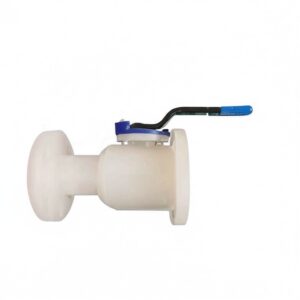
- Ball valves: fast quarter-turn isolation, low pressure drop, tight shutoff in clean service.
- Butterfly valves: compact and economical for larger lines; torque and seat selection matter.
- Gate valves: low pressure drop fully open; generally poor for throttling.
- Plug valves: quarter-turn, robust in some dirty duties; can be high torque.
Control and regulation
- Control valves: designed for stable modulation with a positioner/controller.
- Self-operated regulators: hold downstream or upstream pressure via spring/diaphragm logic (no external controller required).
Backflow prevention
- Check valves: stop reverse flow; style selection depends on pulsation, orientation, and cracking pressure.
- Foot valves: check valve + strainer for suction lift/priming applications.
Special protection valves
- Pressure sustaining/backpressure: maintains upstream pressure in variable demand.
- Vacuum breakers: prevent siphon and line collapse by admitting air under vacuum.
Materials: body is not the whole compatibility story
In chemical service, many “valve failures” are actually seal failures. The body material may be PVDF or metal, but O-rings, seats, packing, and diaphragms often determine leakage and sticking over time.
Common materials and where they fit
- PVDF: strong fit in many corrosive/high-purity systems; verify de-rating and soft parts.
- PTFE-lined: broad chemical resistance; confirm temperature, vacuum, and permeation considerations.
- Stainless alloys: strong mechanically but can pit or stress-corrosion crack in certain chemicals.
- PVC/CPVC/PP: economical for milder duty; confirm oxidizer and temperature limits.
Related: Seal, Seat, and O-Ring Materials for PVDF Valves.
Pressure/temperature: verify at the worst case
Valve ratings must be checked at maximum temperature and against real transients. Polymer valves are especially sensitive to temperature de-rating.
Related: PVDF Valve Pressure & Temperature Ratings (De-Rating Explained).
Selection checklist (copy/paste)
- Media: chemical name(s), concentration, temperature, solids, gas, crystallization risk
- Function: isolation vs control vs check vs protection
- Operating envelope: P/T, ΔP, flow range, cycling rate, transients
- Wetted BOM: body, trim, seats, O-rings, diaphragms/packing
- End connection and standard
- Automation: manual vs electric vs pneumatic; fail position requirement
- Maintenance access and spare parts strategy
Related engineering resources
- Valve Selection Guide: Match Valve Type to Media, Pressure, and Control Needs
- Ultimate PVDF Valves Guide
- Describe your service and get a recommendation
Frequently Asked Questions
Treating the body material as “compatibility solved.” Seats, O-rings, packing, and diaphragms often fail first. Always specify the full wetted bill of materials against chemical concentration and temperature.
Control valves are designed for active modulation with a controller/positioner. Regulators are self-operated devices that maintain a target pressure without external control, but have droop and range limits.
Yes. Polymer pressure ratings decline with temperature. Always check rating at maximum operating temperature and include transient pressure spikes in your safety margin.